
quantobell Logo quantobell Contact Us
Meet the Coach

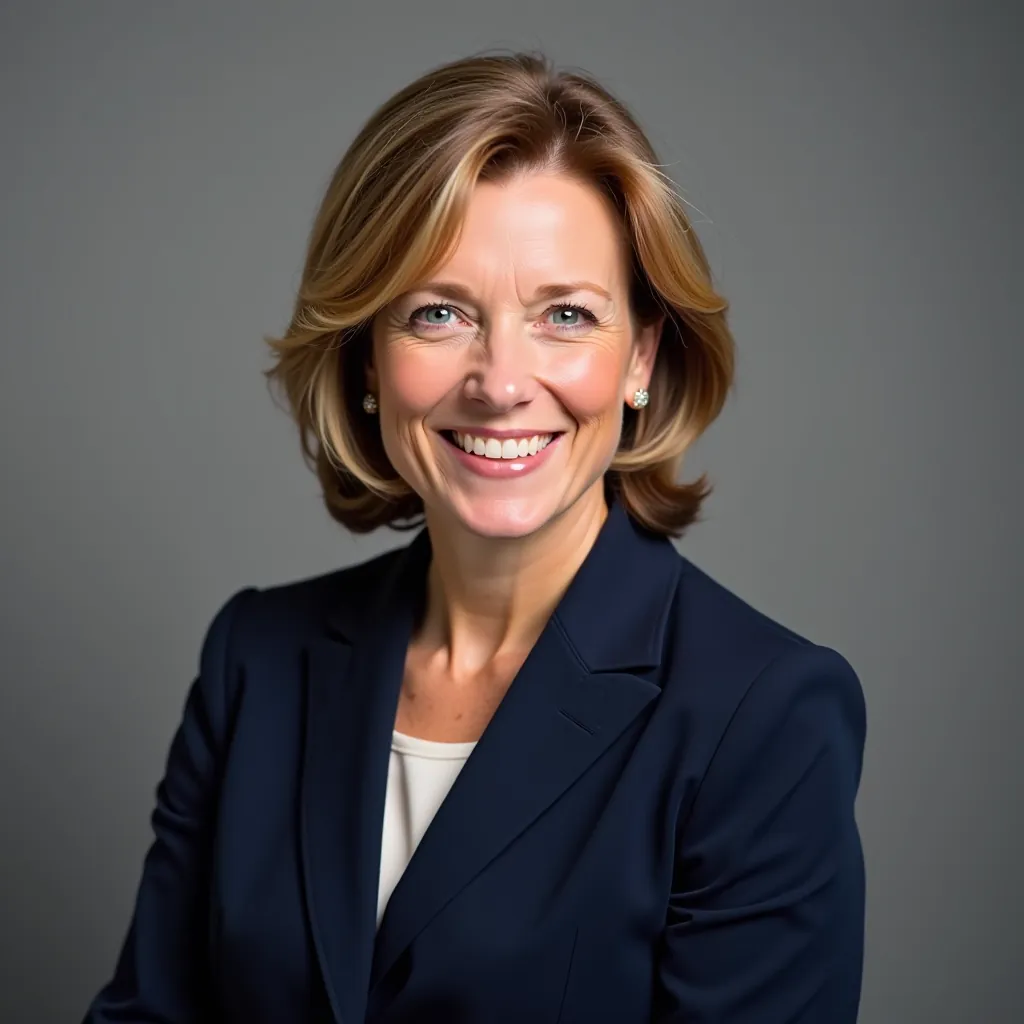
Siobhán O'Dwyer

Senior Retirement Transition Coach & Content Lead at quantobell Limited

Over 14 years helping Irish professionals rediscover purpose and rebuild identity after leaving the workforce. Siobhán combines coaching psychology with practical strategies to make retirement a chapter of growth—not decline.

1,200+
Professionals Supported
14
Years Experience
3
Major Cities Served
Siobhán O'Dwyer, senior retirement transition coach and content lead

How I Got Into Retirement Coaching

My dad worked as an engineer for 40 years. Brilliant at what he did—the kind of person colleagues called when they needed solving problems nobody else could crack. Then he retired. And something just switched off.

Within six months, he'd stopped calling his friends, stopped tinkering in the shed, stopped talking about much of anything really. He wasn't depressed exactly. He just seemed... unmoored. Like retirement planning had covered the money side but nobody'd thought to plan for the identity side. Who was he if he wasn't "the engineer"?

That experience changed everything for me. I started reading about life transitions, went back to university part-time while working, and eventually got my Master's in Adult Education and Counselling from University College Cork. What I've learned over 14 years is this: the transition period between work and retirement isn't a problem to solve. It's actually where the real work happens—the psychological and emotional rebuilding that lets people actually thrive in retirement, not just survive it.

Now I work with professionals across Cork, Galway, and Dublin—teachers, healthcare workers, business owners, public servants. People who've built their entire identity around what they do. And I help them rebuild it around who they actually are.

What I Do

My Coaching Framework

Four core areas where most professionals struggle during retirement transition

Post-Career Identity

Who are you beyond your job title? We work through narrative therapy techniques to help you redefine yourself on your own terms—not by what you did, but by who you actually are.

Daily Routine Restructuring

Structure gives us purpose. We'll design a realistic daily rhythm that includes meaningful activities, social connection, and physical movement—not a rigid schedule, but something that actually feels good.

Emotional Resilience

Retirement transitions bring grief, uncertainty, and loss alongside excitement. We develop resilience skills drawn from positive psychology and gerontological coaching to help you navigate the ups and downs.

Purpose Discovery

Purpose isn't something you find lying around. We'll explore what actually matters to you, what energises you, and how to build a retirement that feels genuinely purposeful—not just busy.

Background

Education & Certifications

Education

  • Master of Arts in Adult Education and Counselling University College Cork
  • Diploma in Integrative Life Coaching Institute of Professional Coaching, Dublin
  • Honours Degree in Psychology and Social Studies Trinity College Dublin

Accreditations & Specialisms

  • Accredited Coach Irish Institute of Coaching and Mentoring
  • Advanced Certification in Gerontological Coaching Centre for Ageing and Life Course Studies
  • Certified Resilience Coach Irish Positive Psychology Institute
  • Narrative Therapy Practitioner Training completed 2015
Philosophy

What I Believe About Retirement

Retirement's not something that happens to you on your last day of work. It's a transition—sometimes 18 months, sometimes longer—where you're neither one thing nor the other. And that liminal space? That's where transformation actually happens.

Most retirement planning focuses on the practical side: pensions, travel, financial security. Those matter. But they're not enough. We've spent 40+ years building an identity around work. The daily structure, the colleague relationships, the sense of being needed—that doesn't just disappear because you've reached a certain age. It needs to be grieved, processed, and rebuilt.

What drives my work is a simple belief: retirement should be a chapter of genuine growth and discovery, not a slow fade into disengagement. And that means we need to pay attention to the psychological and emotional side of the transition, not just the logistical side.

I work from three core principles:

  • Your retirement should be designed around your actual values and what genuinely energises you—not what you think you "should" do
  • Daily structure and routine aren't restrictive—they're the scaffolding that lets you build something meaningful
  • The transition period itself is the work. There's no rush to get "to" retirement—the journey is where the real transformation happens

I'm grounded in evidence too. My approach integrates findings from positive psychology, neuroscience research on habit formation and identity, and what we're learning in gerontological coaching. But I've also sat with hundreds of Irish professionals through their transitions, and that real-world experience is where the real wisdom lives.

Common Questions

Questions People Ask Me

When should someone start thinking about the emotional side of retirement?

Ideally 12-18 months before you leave work. The closer you get to the transition, the more real it becomes—and that's actually when people are most open to doing this kind of work. But honestly, it's never too late. I've worked with people 5 years into retirement who're just now processing the identity shift. Better late than never.

What's the most common struggle you see?

Identity loss. People retire and suddenly they're not "the teacher" or "the manager" or "the nurse" anymore. And they haven't built much of an identity outside of that. So there's this strange emptiness. It usually takes 4-6 weeks of coaching before people realise how much of their sense of self was actually tied to their job title. Once they see it, we can rebuild.

Is this just for people dreading retirement?

Not at all. I work with people who're genuinely excited about retiring. But excitement and anxiety aren't opposites—they're often the same thing wearing different clothes. Someone can't wait to leave work and still feel genuinely unsettled about what comes next. That's normal. It's also where coaching helps most.

How is this different from regular life coaching?

It's specialized. Life coaching is broad—you might work with someone on career change or relationships or personal goals. Retirement transition coaching is specifically about the psychological and practical dimensions of leaving full-time work. We're not trying to fix your entire life. We're helping you navigate one major transition well, so you can build something genuinely meaningful on the other side.

Why focus on Irish professionals specifically?

Because cultural context matters. Irish professionals tend to have strong work ethics, tend to define themselves through their jobs, and often have deep community ties that retirement can disrupt. We also have specific resources available in Ireland—community groups, educational institutions, volunteer opportunities—and I build those into the work. It's not one-size-fits-all.

Ready to Navigate Your Retirement Transition?

Whether you're thinking about retiring soon or you're already in the thick of the transition, there's support available. Explore our full range of resources, connect for a consultation, or learn more about how retirement coaching works.