

Redefining Yourself Beyond Your Job Title
Who are you when work isn't your identity anymore? A practical exploration of post-career identity and rebuilding how you see yourself.
Structure matters in retirement. Learn how to design days that balance rest, activity, and meaning without the framework of work schedules.

The alarm doesn't go off anymore. No commute. No meetings blocking your calendar. And somehow, that freedom feels paralyzing at first.
You've spent decades waking to structure—deadlines, meetings, a clear sense of what the day demands. That external framework, whether you loved it or resented it, provided something important: direction. Now you're staring at a blank calendar and wondering what to fill it with.
The good news? You don't need to recreate your old schedule. You're not trying to stay busy for busy's sake. What you're actually building is something more valuable—a rhythm that aligns with how you want to live now, not how you had to live before.
The difference between structure and obligation: Structure supports you. It gives your day coherence without demanding you sacrifice who you've become. The routine you build now is intentional—chosen by you, for you.
Work schedules don't care about whether you're a morning person or someone who hits their stride at 3 p.m. You probably accommodated your work life to clock hours. Now you get to ask: what's actually natural for you?
Pay attention for a week. When do you naturally wake? When's your energy highest? When does your mind do its best thinking? Not what should be true—what actually is. You might notice you're more alert after 9 a.m., or that you crash hard after lunch, or that your creative time happens at dusk.
Once you understand your actual rhythms, you can build a day around them instead of against them. If you're someone who needs quiet mornings before engaging with others, protect that. If you come alive in late afternoon, that's when you plan activities that need your best self.

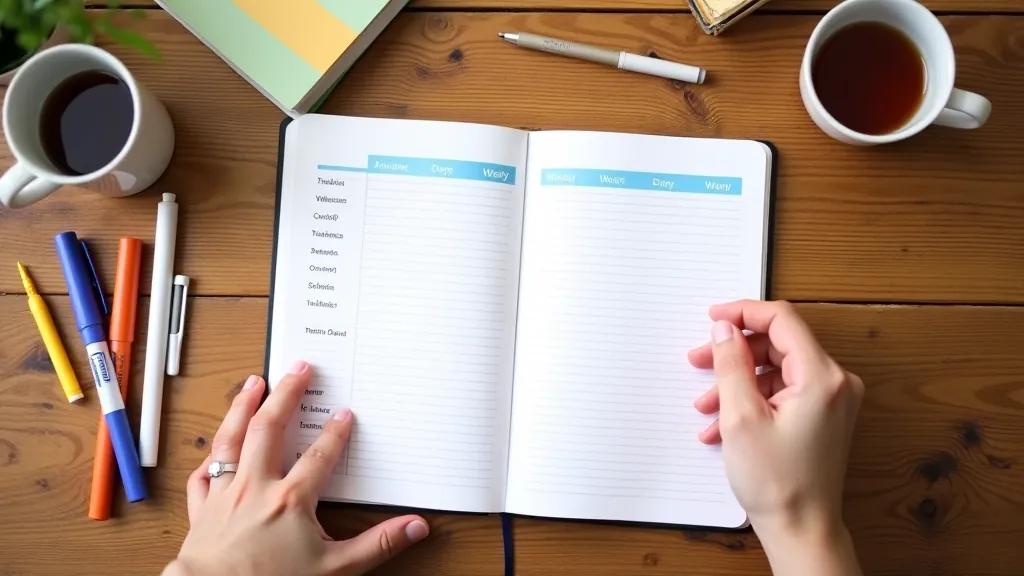
You don't need to fill every hour. In fact, that defeats the whole purpose. Instead, think about what activities genuinely matter to you—the ones that make a day feel like it counted for something.
These aren't obligations. They're the things that keep you engaged: volunteering at a community center, meeting a friend for coffee, taking a serious walk, learning something new, creating something, or working on a project that matters to you. Most people find that three or four anchoring activities per week—things you can look forward to—provide enough structure without feeling constraining.
The rest of the week fills itself. You've got your anchors. The days between them? That's when you rest, explore, handle the practical stuff, and discover what else wants your attention.
Even 15 minutes of something calm—tea, stretching, writing—sets the tone. You're not rushing. You're intentionally starting your day.
Not exercise you endure. Movement you actually enjoy—walking, swimming, dancing, gardening. Your body needs it; so does your mind.
Regular contact—whether weekly calls, coffee dates, or group activities—keeps you engaged with the world and reminds you that you matter.
Learning keeps your mind sharp. It doesn't have to be formal—picking up a skill, reading deeply, exploring a hobby, working on something creative.
A consistent way to close the day—reading, reflection, quiet time—signals to your body that it's time to rest. This matters more than you'd think.
Plans change. People call. Weather happens. A good routine holds its shape even when specific days don't go as expected.
Some people swing too far. They build a schedule tighter than their work life ever was—a rigid grid of activities, exercise time, hobbies, social commitments. They're checking boxes instead of living.
That's not purposeful. That's just trading one cage for another.
Your routine should give you permission to do nothing sometimes. To change your mind. To spend an entire afternoon reading if you want to. To say no to something you'd committed to because you realize you don't actually want to do it. That freedom is the whole point.
The goal is what you might call "loose structure." Enough framework to feel grounded and intentional. Enough space to feel genuinely free. You're looking for the rhythm that lets you be yourself, not the one that demands you become someone else.

Don't design your ideal routine in theory. Spend 2-3 weeks just noticing what actually works for you. What times feel good? Which activities genuinely refresh you? What do you miss? What surprised you about how you naturally spend your time? Then build from reality, not imagination.
Your first attempt won't be perfect. That's fine. Try your routine for 4-6 weeks, then ask: what's working? What feels forced? What's missing? Make one or two adjustments at a time. Give each version enough time to become real before changing it again.
Once you've identified the 3-4 activities that genuinely matter, schedule them first. Everything else arranges itself around them. This prevents your days from drifting into passive routines that don't actually serve you.
The routine you build in retirement doesn't have to look like anyone else's. It doesn't have to be ambitious or productive by external standards. It just needs to be honest—a real reflection of what actually matters to you and how you want to spend your days.
Structure isn't the enemy of freedom. When it's the right structure—the one you've chosen—it's actually what makes freedom possible. It's the difference between days that feel purposeful and days that just happen to you.
Start small. Notice what works. Build from there. Your routine will evolve as you do. That's exactly how it should be.
About this article: This is educational information designed to help you think through building a daily routine in retirement. It's not personalized advice. Everyone's situation is different—your health, your finances, your relationships, your goals. If you're struggling with routine, purpose, or the emotional side of retirement, consider speaking with a retirement transition coach or counselor who can understand your specific circumstances.