

Redefining Yourself Beyond Your Job Title
Who are you when work isn't your identity anymore? A practical exploration of post-career identity and self-discovery.
Read ArticleRetirement brings unexpected emotions — grief, relief, uncertainty, freedom. Here's how to navigate them with resilience and acceptance.
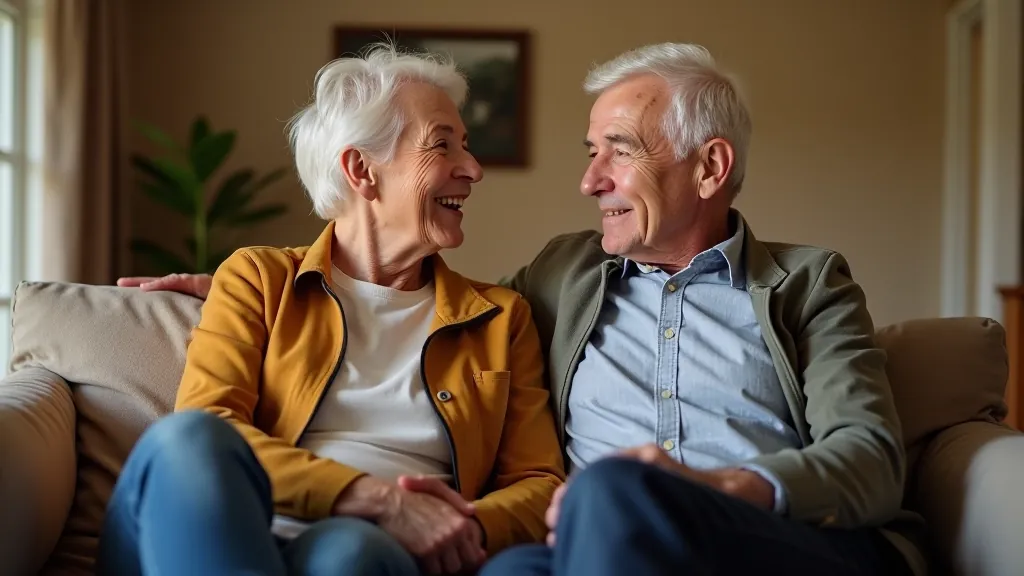
You've spent decades building an identity around your work. Your job wasn't just what you did — it's who you were. So when retirement arrives, something deeper shifts than just your calendar. You're grieving the loss of structure, purpose, and identity, even if you're relieved to stop working.
The emotional landscape of retirement isn't linear. It's not "sad then happy." You'll feel contradictory things on the same day. Relief mixed with emptiness. Freedom alongside fear. That's completely normal, and it's why we need to understand what's happening beneath the surface.
Most people experience a cluster of emotions in the first year. They're not weaknesses — they're signals that something significant is changing.
You've lost daily structure, professional identity, workplace relationships, and purpose. That's grief, plain and simple. Don't minimize it by telling yourself you should be happy.
At the same time, you might feel lighter. No more commutes, no more meetings, no more office politics. That freedom is real too, and it's okay to feel it alongside the grief.
Questions flood in: Am I enough without my job? Will I have enough money? What if I'm bored? These aren't irrational — they're real concerns that deserve attention, not dismissal.

Resilience isn't about "bouncing back" or staying positive. It's about developing the capacity to feel what you're feeling, understand it, and move through it without getting stuck.

Don't just say "I'm sad" or "I'm fine." Get specific. Are you grieving the loss of identity? Anxious about money? Bored? Disconnected? The more precisely you name an emotion, the easier it becomes to work with it.
You can be relieved AND grieving. Free AND anxious. Happy about sleeping in AND missing your colleagues. These aren't contradictions — they're the reality of major life transitions. Stop trying to feel one way consistently.
Much of your emotional stability came from external structure. Now you need to build it yourself. A routine with rhythm — certain times for activity, reflection, connection, rest — provides the container emotions need to settle.
You don't need elaborate self-help systems. Simple, consistent practices help regulate your nervous system and give emotions space to move.
Ten minutes with a notebook. Not journaling about feelings — just asking yourself: What's one thing I want to accomplish today? How am I actually feeling right now? What do I need?
Thirty minutes of walking, swimming, or whatever your body enjoys. Movement processes emotions physically. You'll often feel clearer after moving, not because you've "solved" anything, but because your nervous system has settled.
Not surface chat. Real conversation where you're honest about how you're navigating this. You'll be surprised how many people understand exactly what you're experiencing.
Stop measuring your retirement against anyone else's. Someone else's smooth transition doesn't mean yours is wrong. Your emotions are valid for your life, not someone else's.

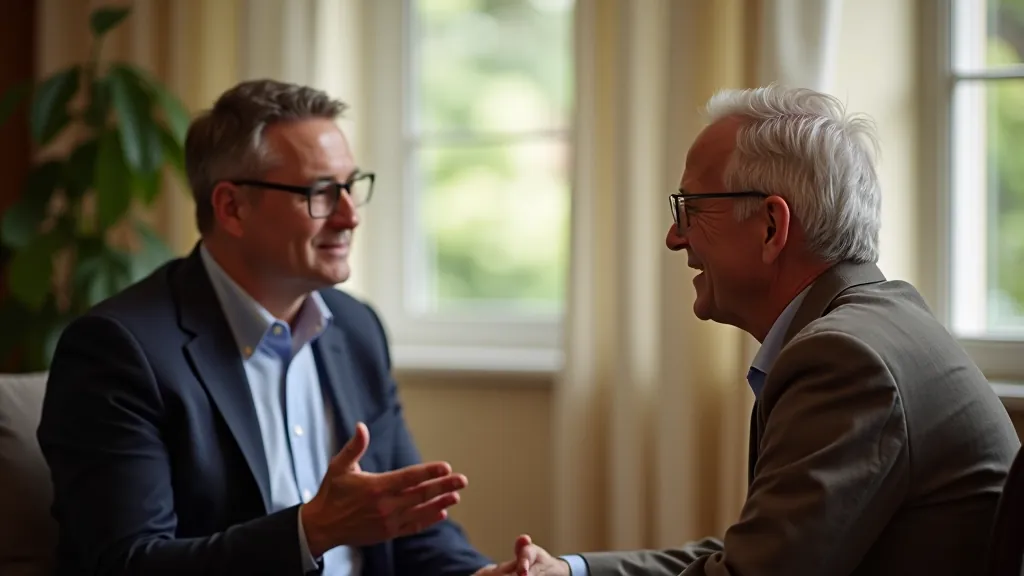
Most emotional turbulence in retirement settles within 12-18 months. But if you're experiencing persistent depression, complete isolation, or suicidal thoughts after six months, that's a signal to work with a therapist. There's no weakness in this — it's self-awareness.
A coach or therapist trained in life transitions can help you process the grief, reframe your identity, and build meaningful structure. They're not there to fix you or make you happy. They're there to help you understand what's happening and move through it with intention.
In Ireland, organisations like the Irish Association for Counselling and Psychotherapy can connect you with qualified professionals. Your GP can also refer you to services. Don't wait until you're in crisis — transition support is most effective when you're still learning to navigate.
You've spent decades building an identity around work. It's not going to shift overnight, and it shouldn't. The emotions you're feeling — grief, uncertainty, relief, fear — aren't problems to solve. They're part of how you're integrating this enormous change.
Give yourself permission to feel all of it. Some days you'll wake up energized by possibility. Other days you'll miss the structure and identity work provided. That's not failure — that's the messy, human reality of transition. You're not bouncing back. You're building something new. And that takes time.
The good news? This gets easier. By month 12-18, you'll have integrated the loss and begun building a new identity that isn't defined by work. You'll discover you're still yourself — just with more freedom to explore who that is. And the emotional ups and downs, while they don't disappear entirely, will feel less like chaos and more like a normal part of living.
This article is educational and informational in nature. It's not a substitute for professional mental health support. If you're experiencing persistent depression, anxiety, or suicidal thoughts, please reach out to a qualified mental health professional, your GP, or in Ireland, the Samaritans (116 123) or Pieta House (1800 247 247). Support is available, and reaching out is a sign of strength.